Rebate Available:
Sump Pump Installation Toronto
Complete Guide & Expert Installation
Protect your basement from flooding with expert sump pump installation. Our certified technicians install reliable systems that keep your home dry year-round.
What is a Sump Pump System?
Modern sump pumps use float switches or pressure sensors to detect rising water levels and automatically turn on. The water is typically discharged at least 10-20 feet away from your foundation to prevent it from cycling back.
For Toronto homes, sump pumps are especially important due to our high water table, heavy rainfall, and spring snowmelt that can overwhelm foundation drainage systems.
Types of Sump Pumps We Install
Submersible Pumps
Installed inside the sump pit, quiet operation, handles large volumes of water.
Battery Backup Pumps
Provides protection during power outages when you need it most.
Water Collection
Collects groundwater that accumulates around your foundation before it enters your basement.
Automatic Activation
Float switch technology automatically turns on when water levels rise, providing 24/7 protection.
Flood Prevention
Pumps water away from your home to prevent basement flooding and water damage.
Battery Backup
Optional battery backup systems ensure protection even during power outages.

Benefits of Sump Pumps A properly installed sump pump system provides comprehensive protection for your home and family.
Flood Prevention
Primary defense against basement flooding during heavy rain, snowmelt, or high water table conditions.
Automatic Operation
Set it and forget it protection that works 24/7, even when you're away from home.
Protects Your Investment
Prevents costly water damage to your foundation, flooring, walls, and stored belongings.
Long Lifespan
Quality sump pumps last 7-10 years with proper maintenance, providing reliable protection.
Lower Insurance Costs
Many insurance companies offer premium discounts for homes with properly installed sump pump systems.
Low Maintenance
Simple annual maintenance keeps your system running efficiently for years.
Healthier Living Space
Reduces humidity levels and prevents mold growth, improving indoor air quality for your family.
Increases Home Value
A dry basement with a sump pump is a major selling point for potential buyers.
Sump Pump Installation Process Professional installation completed in as little as one day, with minimal disruption to your home.
Free Consultation
We assess your basement, evaluate water issues, and recommend the best sump pump solution for your specific needs.
Site Preparation
We determine the optimal location for the sump pit and prepare the area for installation.
Pit Excavation & Installation
We excavate the sump pit, install the basin, and connect it to your drainage system.
Pump & Electrical Setup
We install the pump and connect the discharge line, and we recommend having a licensed electrician install a dedicated GFCI-protected outlet for the electrical connection (we don’t provide electrical work).
Testing & Training
We thoroughly test the system and teach you how to maintain it for optimal performance.
Typical installation time: 4-8 hours depending on system complexity
Sump Pump Installation Cost in Toronto Transparent pricing with no hidden fees. Get a detailed quote during your free consultation.
Basic Installation
$1,600 - $1,900 Standard submersible pump installation
- 1/3 HP submersible pump
- Standard sump basin
- Basic check valve
- Discharge line installation
- 3-year manufacturer warranty
Most Popular
Standard Installation
$1,900 - $2,700 Enhanced system with better protection
- 1/2 HP high-capacity pump
- Heavy-duty sump basin
- Quality check valve
- Extended discharge line
- Battery backup ready
- 3-year manufacturer warranty
Premium Installation
$2,700 - $4,000+ Complete system with battery backup
- 3/4 HP premium pump
- Commercial-grade basin
- Battery backup system
- Water alarm system
- 3-year manufacturer warranty
Factors Affecting Cost
- Pump type and horsepower
- Pit excavation requirements
- Discharge line length and routing
- Battery backup system
- Electrical work required (Electrician required)
- Connection to drainage system
Why Invest in Quality?
A basement flood can cost $10,000-$50,000+ in water damage repairs. A properly installed sump pump system pays for itself by preventing just one flooding event.
Financing Available: We offer flexible payment plans to make basement protection affordable. Ask about financing options during your consultation.
Common Sump Pump Problems Experiencing sump pump issues? Our experts can diagnose and fix any problem quickly.
Pump Won't Turn On
Float switch stuck, power issues, or pump motor failure. Often caused by debris in the pit or electrical problems.
Solution: ✅
Check power supply, clear debris from pit, test float switch, or replace pump if motor has failed.
Pump Runs Continuously
Stuck float switch, undersized pump, or high water table overwhelming the system.
Solution: ✅
Adjust or replace float switch, upgrade to higher capacity pump, or add secondary pump.
Failed Weeping Tile
Original drainage tiles from older homes often collapse, clog with roots or sediment, or were never installed properly.
Solution: ✅
Complete replacement of drainage system with modern, high-capacity weeping tile at the proper depth.
Unusual Noises
Grinding, rattling, or banging sounds indicating mechanical issues or debris in the impeller.
Solution: ✅
Remove debris, check for worn bearings, or replace pump if damage is severe.
Pump Overheating
Running dry, blocked discharge line, or motor issues causing the pump to overheat.
Solution: ✅
Ensure water level activates pump properly, clear discharge obstructions, check motor.
Pump Not Keeping Up
High water volume overwhelming pump capacity during heavy rain or snowmelt.
Solution: ✅
Upgrade to higher GPM pump, install secondary pump, or add battery backup system.

Canada Waterproofers is here to help
No job is too big or too small. Get in touch with us!
Recent Toronto Projects Highlights See how we've helped Toronto & GTA homeowners solve their basement water problems with our professional waterproofing solutions.
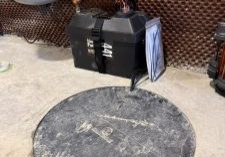
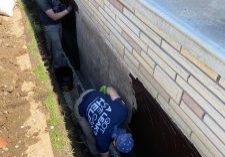
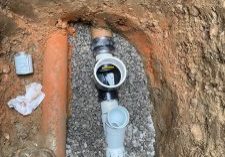
Frequently Asked Questions Get answers to the most common questions about exterior basement waterproofing in Toronto.

Reviews Read verified reviews from real customers who trusted us with their basement waterproofing projects.