
How to Protect Sump Pump from Freezing in Winter
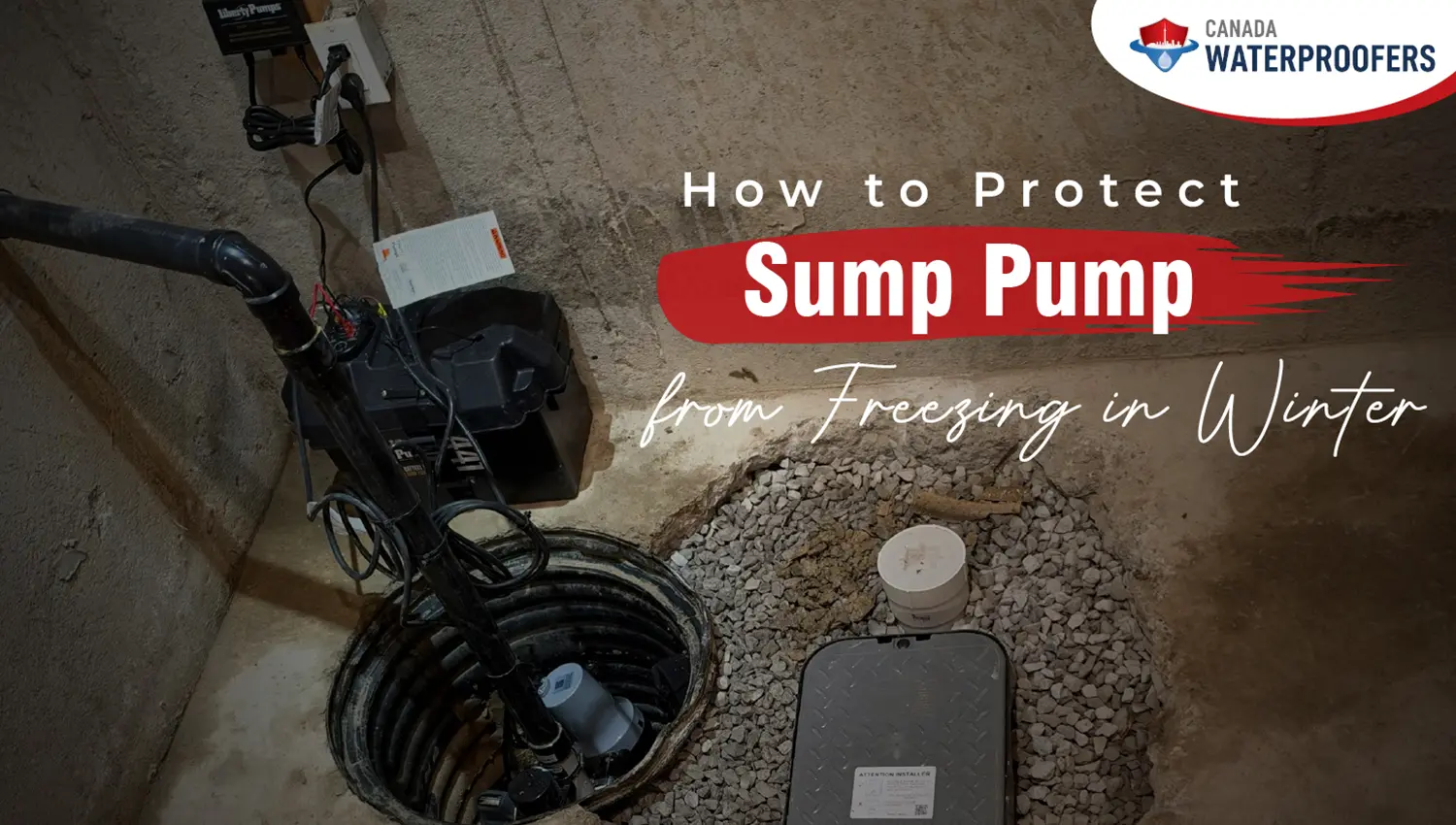
Winter in Canada can be tough on basement drainage systems. Snow piles up around the house, temperatures drop below freezing, and water left inside exposed pipes can turn into ice. Your sump pump may work perfectly, but a frozen discharge pipe can stop water from leaving your basement.
Many homeowners discover this problem when the snow starts melting. The pump runs, the sump pit fills up, and water has nowhere to go. Knowing how to protect sump pump from freezing in winter helps you prevent flooded floors, damaged equipment and expensive repairs.
How to Protect Sump Pump from Freezing in Winter: 8 Practical Tips for Homeowners
You don't need to wait for a frozen pipe before checking your sump pump. A few inspections before the first snowfall can make a difference.
1. Insulate Exposed Discharge Pipes
Start by checking the pipe that carries water outside your house. Any section exposed to freezing temperatures needs attention.
Foam pipe insulation helps reduce heat loss, especially around pipes that go through cold spaces. However, insulation alone cannot prevent freezing when water remains trapped inside.
If you have vulnerable pipes, ask a professional about heat tracing cables rated for outdoor use. They must be suitable for the pipe material and installed according to electrical safety requirements.
2. Keep the Discharge Pipe Sloping Downward
Water that stays inside a discharge pipe can freeze overnight. Once ice blocks the opening, your pump cannot drain properly.
Check these important points:
- The outdoor pipe slopes away from your home.
- No section sags or holds standing water.
- The outlet remains clear of snow and debris.
- Water drains away from your foundation.
If your discharge line repeatedly freezes, a contractor may need to change its routing or drainage arrangement.
3. Install a Freeze-Resistant Discharge Outlet
A frozen outlet is one of the most common winter sump pump problems.
A properly designed freeze-relief fitting gives pumped water another exit when the main discharge line becomes blocked.
This can reduce pressure on the pump and lower the chance of water backing up into the basement.
However, the emergency outlet should safely channel water away from your foundation. Otherwise, discharged water may freeze beside your house and create another drainage problem.
4. Consider Underground Discharge Pipes
Underground drainage can help protect discharge lines from severe winter weather, but installation depth matters.
A pipe in shallow soil may freeze over a prolonged cold spell. Contractors must consider local frost depth, soil conditions, drainage slope, and the final outlet location.
Homeowners planning sump pump installation should discuss winter drainage before choosing where the discharge pipe will run.
An underground line also needs a suitable outlet that won't become blocked by frozen ground or accumulated ice.
5. Test Your Sump Pump Before Winter
Your pump may sit unused for weeks, so testing it before freezing weather arrives makes sense.
Pour clean water into the sump pit until the float activates the pump. Watch how quickly the water level drops.
Pay attention to:
- Strange noises during operation
- A float switch that gets stuck
- Water returning immediately to the pit
- A pump that runs without lowering the water
- Leaks around discharge connections
If something seems wrong, arrange an inspection before winter gets colder.
6. Remove Snow Around the Discharge Outlet
Heavy snowfall can bury outdoor drain openings. When the pump releases water, snow surrounding the outlet may prevent proper drainage.
Check the discharge location after snowstorms. Remove snow carefully without damaging the pipe.
Avoid piling shoveled snow over the outlet.
If your home has a French drain installation, make sure its accessible drainage outlets remain clear too. A blocked drainage system can allow groundwater to collect around the foundation.
7. Check Basement Moisture and Foundation Cracks
Sometimes homeowners blame their sump pump when water enters through another opening.
Small cracks in the foundation, improper grading and blocked drainage can all allow melting snow to seep to basement walls.
Look for damp patches, peeling paint, and water stains near the floor.
If water continues to seep in through the walls, you might need to fix the crack in the foundation or do some interior waterproofing.
A sump pump removes collected water, but it cannot fix every source of basement leakage.
8. Arrange Winter Maintenance and Backup Power
A sump pump needs electricity to operate. During winter storms, power outages can leave your basement without drainage protection.
Consider a properly sized battery backup sump pump, especially if your basement has flooded before.
Regular maintenance is important, too. A technician can inspect the float, check valve, discharge connections, and pump condition.
If water continues entering despite a working pump, professional basement leak repair can help identify the underlying issue.
What Should You Do If Your Sump Pump Pipe Is Already Frozen?
First, stop the pump from repeatedly pushing against a blocked discharge line. If the sump pit is filling, arrange an alternative drainage method immediately.
Do not pour boiling water on plastic pipes or use open flame to melt ice. Extreme heat can damage the plumbing and create safety risks.
Contact a qualified technician to locate the blockage, thaw the pipe safely, and inspect the pump for damage.
Get Your Sump Pump Ready Before Temperatures Drop
Winter maintenance costs less than repairing a flooded basement. Check the discharge outlet, inspect exposed pipes, and test the pump before temperatures fall.
Homeowners can call Canada Waterproofers to discuss appropriate repairs and winter protection for sump pump inspections, frozen discharge problems and basement waterproofing services.
Frequently Asked Questions
1. Can a sump pump freeze during winter?
Yes. Exposed discharge pipes can freeze when water remains inside during cold weather.
2. How do I keep my sump pump discharge line from freezing?
Maintain proper drainage slopes, protect exposed pipes, and keep the outlet clear of snow.
3. Should I turn off my sump pump in winter?
No. Keep it operating unless a frozen blockage requires you to stop it temporarily.
4. Can insulation prevent sump pump pipes from freezing?
Insulation helps reduce heat loss, but standing water can still freeze in extreme cold.
5. Why does my sump pump run but not remove water?
A frozen discharge pipe, blocked outlet, faulty check valve, or pump problem could be responsible.