Sump Pump Installation & Replacement
A sump pump moves collected groundwater away from the foundation before it can build up beneath the basement floor. We inspect the drainage path, pump capacity, discharge route and backup needs before we quote the work.
How a Sump Pump System Works
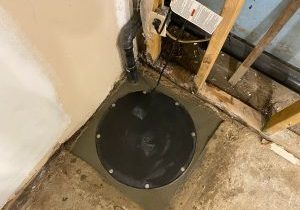
A sump pump sits in a basin at the lowest practical point of a basement or crawlspace. Water collected by the foundation drainage system enters the basin. When the water level rises, a float switch activates the pump. The pump moves water through a check valve and discharge line to an approved point away from the foundation.
A sump pump manages water that reaches the basin. It does not repair a foundation crack, stop water entering through a wall, correct surface drainage, or prevent sewage from backing up through a floor drain. Those problems need the right separate solution.
Sump Pump Systems We Install


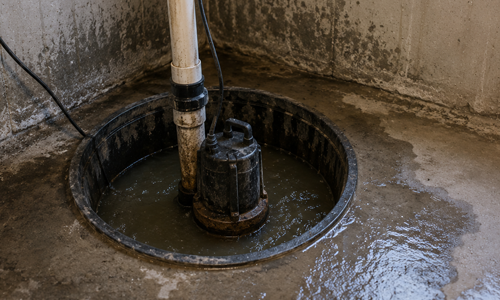
The Parts That Make the System Work
Sump Basin
The basin gives water collected by the drainage system a controlled place to gather.
Float Switch
The switch starts and stops the primary pump as the water level changes.
Check Valve and Discharge Line
The check valve helps prevent water from falling back into the basin. The discharge line carries water away from the foundation.
Backup Pump and Alarm
A backup system and alarm can warn of a rising water level and provide an added layer of protection during a power outage or main-pump failure.

When a Sump Pump Is the Right Solution
A sump pump is often part of the right solution when groundwater is being collected around or below the foundation, an existing drainage system leads to a basin, or a finished basement needs a more dependable way to remove collected water. The assessment matters. A larger pump will not fix a blocked drainage line, a foundation crack, surface water draining toward the home, or a sewer backup. We identify the source and path of the water before recommending work.
Find the right starting point.
Choose the closest match. We’ll point you toward the system or assessment that makes sense to explore first.
The assessment should confirm the actual water path, the condition of the existing system and the appropriate scope of work.
What Happens During Installation
The exact scope depends on the existing drainage, basement layout and discharge route. A straightforward installation can often be completed in one workday. New pits, drainage connections, access limits, concrete work or electrical coordination can take longer.
Assess the Water Path
We inspect the existing drainage, basin location, pump condition and discharge route. If the issue is not a sump-pump problem, we explain what needs to be addressed instead.
Plan the Scope
Before work begins, you receive a written scope covering the work area, basin, pump, discharge route, backup options and known exclusions. We also identify whether permits or qualified electrical work may be required.
Prepare the Basin and Drainage Connection
Where a new basin is needed, we prepare the location, install the basin and connect it to the applicable drainage system.
Install the Pump and Discharge Components
We install the primary pump, check valve and discharge line. If selected, we install the backup system and alarm.
Test and Review the System
We test the pump cycle and review the system with you, including basic maintenance and what to do if an alarm sounds.
Sump Pump Installation Cost
Basic Installation
$1,600 - $1,900 Standard submersible pump installation
- 1/3 HP submersible pump
- Standard sump basin
- Basic check valve
- Discharge line installation
- 3-year manufacturer warranty
Most Popular
Standard Installation
$1,900 - $2,700 Enhanced system with better protection
- 1/2 HP high-capacity pump
- Heavy-duty sump basin
- Quality check valve
- Extended discharge line
- Battery backup ready
- 3-year manufacturer warranty
Premium Installation
$2,700 - $4,000+ Complete system with battery backup
- 3/4 HP premium pump
- Commercial-grade basin
- Battery backup system
- Water alarm system
- 3-year manufacturer warranty
Factors Affecting Cost
- Check available municipal waterproofing rebates
- Pump type and horsepower
- Pit excavation requirements
- Discharge line length and routing
- Battery backup system
- Electrical work required (Electrician required)
- Connection to drainage system
Why Invest in Quality?
A sump pump is a working mechanical system, not a one-time accessory. Proper sizing, a sound discharge route, a working check valve and regular testing matter more than buying the highest-horsepower pump.
Financing Available: We offer flexible payment plans to make basement protection affordable. Ask about financing options during your consultation.
Signs a Sump Pump Needs Service or Replacement
If water is reaching the basin but the system is not responding as expected, have it inspected before the next heavy rain or thaw.
We inspect the pump, switch, check valve, discharge line and drainage connection to determine whether repair, replacement or a different water-control solution is needed.
Get a Sump Pump Assessment

Tell us what you are seeing, whether there is an existing sump pump and whether the basement has taken on water. We will assess the water path and provide a written recommendation for the work that makes sense.
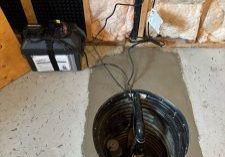
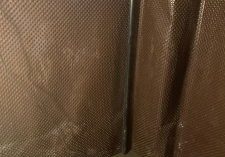
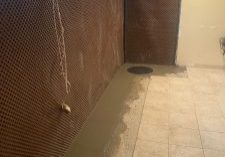
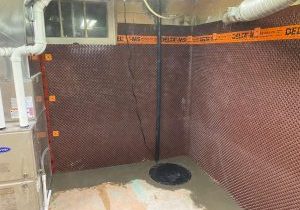
Recent Sump Pump Work
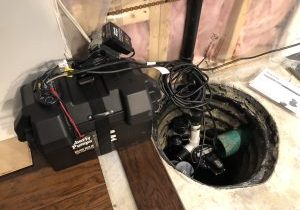
See how we've helped Toronto & GTA homeowners solve their basement water problems with our professional waterproofing solutions.
Frequently Asked Questions
Get answers to the most common questions about exterior basement waterproofing in Toronto.

Reviews
Read verified reviews from real customers who trusted us with their basement waterproofing projects.