Backwater Valve Installation Toronto & GTA
A backwater valve is a one-way valve installed on a building’s sewer connection. It allows wastewater to leave the building and is designed to close if wastewater tries to flow back from the sewer. It may be relevant when sewage has backed up through a floor drain or plumbing fixture, or when an assessment identifies a risk of sewer backflow. It is not a sump pump and it does not stop groundwater, foundation leaks, or surface runoff.
What a backwater valve protects against
A backwater valve is intended to reduce the risk of wastewater entering a building when flow reverses in the sewer connection. It is used for sewer-backup conditions, not every kind of water problem below grade. Whether it is appropriate depends on the drainage layout, the building’s plumbing, and the cause of the backup.
Wastewater coming back through the drainage system
A valve may be relevant when wastewater has moved back through a lower-level floor drain or plumbing fixture and reverse sewer flow is part of the cause.
Sewer-backup protection identified during an assessment
A plumbing and drainage assessment can determine whether the building’s sewer connection can be protected by a backwater valve and where service access should remain.
A precaution considered as part of planned plumbing work
In some buildings, a backwater valve is considered while the relevant drain connection is already being evaluated or accessed. The suitability still needs to be confirmed for the actual layout.
How it works?
Installed in your basement floor on the main sewer line
Contains a flap that opens to allow wastewater to flow out
Automatically closes when water tries to flow backward
Prevents city sewer backup from entering your home
Why Homes Need a BWV
Aging combined sewer system prone to overflows
Increasing frequency of heavy rainfall events
Many older homes lack backflow protection
Insurance may require or reward having one installed
Backwater Valves We Install
Normally Closed Valve
Opens only when water flows out, providing maximum protection against backflow.
Normally Open Valve
Stays open during normal use, closes when backflow is detected. Most common type.
Full-Port Gate Valve
Premium option with manual override and clear access cover for inspection.

Signs a sewer-backup assessment may be needed
A backwater valve should be considered only after the source of the problem is assessed. A sewer-backup issue may be involved when sewage or wastewater comes up through a floor drain, toilet, sink, shower, or another lower-level plumbing fixture. Slow drainage, gurgling, or a backup affecting more than one fixture can also point to a drainage or plumbing issue. These signs do not confirm the cause. A local blockage can produce similar symptoms.
If there is an active backup, avoid using affected fixtures and arrange an assessment. Keep people and pets away from the affected area.
What a backwater valve does not solve
A backwater valve does not replace a sump pump. It does not collect groundwater, relieve hydrostatic pressure, repair failed foundation drainage, correct surface grading, seal a foundation crack, or clear a blocked plumbing line. Installing one because a basement has water, without identifying the source, can leave the real problem untreated.
Groundwater beneath the slab or around the foundation
This may require a sump-pump and drainage assessment. A backwater valve does not remove groundwater or repair a drainage-system failure.
A damp wall, a defined crack, or a leak in one foundation area
This may require a foundation crack repair or waterproofing assessment. A backwater valve does not seal foundation defects.
A local plumbing problem
A blocked or damaged drain line can create a backup that needs plumbing assessment. A valve is not a substitute for finding and correcting the local cause.
Surface water flowing toward the building
This may require grading, downspout, or exterior-drainage correction. A backwater valve does not redirect surface water.
What kind of water problem are you seeing?
Choose the description closest to what you are seeing. This tool is for routing only. An assessment is needed to confirm the cause.
Active sewage backup? Avoid using affected fixtures and keep people and pets away from the area while arranging an assessment.
How backwater valve installation works
Installation starts with an assessment of the sewer connection, drainage layout, and access. If a backwater valve is appropriate, the work is planned around the actual pipe configuration and any requirements that apply where the building is located.
Assess the issue
Identify whether the concern is sewer backflow, a local plumbing problem, groundwater, a foundation leak, or surface water.
Confirm the connection and access
Identify the relevant sewer connection, access needed for installation, and future service access.
Choose the installation approach
Select an appropriate valve and layout based on the existing drainage configuration.
Complete the scoped work
Access the relevant piping, install the valve, and reconnect the work area as required by the scope.
Check operation and restore the area
Confirm the valve can operate as intended, restore the access area, and explain maintenance requirements.
What to Expect?
1 Day Typical Installation
4-6 Hours Water Shutoff
24 Hours Concrete Cure Time
Backwater Valve Installation Costs
Transparent pricing with no hidden fees. Get a detailed quote during your free consultation.
Standard Installation
$2,000 - $3,500 Before rebates
- Standard normally-open valve
- Single floor penetration
- Concrete restoration included
- 10-year warranty
Most Popular
Full-Port Gate Valve
$2,700 - $4,500 Before rebates
- Premium full-port valve
- Clear inspection cover
- Manual override feature
- Easier maintenance access
- Lifetime valve warranty
Complex Installation
$4,500+ Before rebates
- Multiple valve installation
- Difficult access situations
- Additional plumbing work
- Floor drain disconnection
- Custom solutions
An assessment should consider pipe size and material, drainage layout, fixture connections, access through finished areas, the condition of existing piping, and requirements that apply to the property. It should also confirm that the proposed arrangement does not leave the relevant fixtures outside the protected drainage path.
The scope of a backwater-valve project depends on the existing drainage layout and the work needed to access it. A written assessment is more useful than a generic price card because the actual pipe configuration can change the work required.
Factors that can affect scope include the location of the sewer connection, access through the floor or other finished areas, the condition and material of existing piping, the valve configuration, concrete removal and restoration, related plumbing work, and requirements that apply in the property’s jurisdiction.
Before work begins, the written scope should state the proposed work, access needed, restoration included, exclusions, and any authority requirements that apply.

Canada Waterproofers is here to help
No job is too big or too small. Get in touch with us!
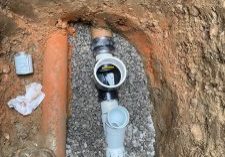
Recent Backwater Valve Installations
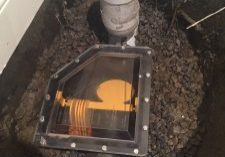
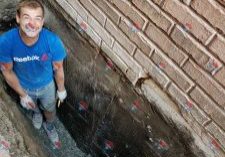
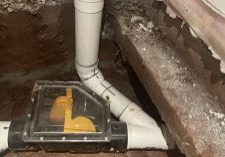
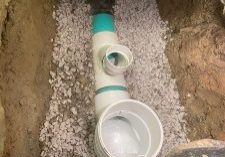
See how we've helped homeowners solve their basement water problems with our professional waterproofing solutions.
Frequently Asked Questions
Get answers to the most common questions about backwater valve installations
Local Reviews
Read verified reviews from real customers who trusted us with their backwater valve installations